Happy New Year Svg for T-Shirt Designs: A Publisher's Review
When I first opened the Happy New Year Svg set, I was preparing featured images for a seasonal content campaign across two affiliate blogs and a small newsletter. As someone who spends more time in Canva than I care to admit, I have learned to judge a graphic design asset by how quickly it fits into a real publishing workflow. This particular file set caught my attention because it promised something many SVG collections miss: versatility that works across blog graphics, social media, and even printable design projects. Let me walk through what I discovered while putting it through a real editorial test.
First Impressions and Editorial Mood
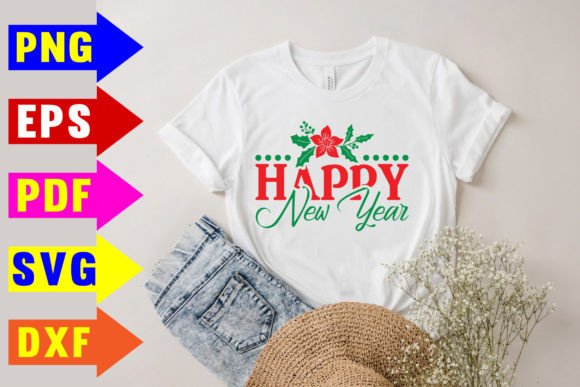
The Happy New Year Svg collection carries a distinctly modern design energy. It is clean without being cold, celebratory without feeling chaotic. The lines are crisp, the typography feels deliberate, and the overall layout suggests a designer who understands visual hierarchy. From a brand identity perspective, this asset leans toward lifestyle-friendly and festive, but it does not scream "party store." It feels polished enough for a website header on a lifestyle blog and playful enough for a Pinterest pin aimed at readers looking for New Year inspiration.
The editorial mood here is aspirational yet approachable. If you run a content site focused on goal setting, seasonal planning, or personal development, this asset will reinforce the kind of reader trust that comes from consistent, professional visuals. It does not fight for attention; it earns it through clarity and creative design choices that feel intentional.
Real Publishing Workflow: Where This Asset Shines
I tested the Happy New Year Svg across several real scenarios my team uses weekly. The first test was a blog featured image for a post about New Year resolutions. I layered it with a soft background gradient and a serif font headline. The result was a graphic that felt both editorial and inviting. It held up well at 1200 x 628 pixels, the standard for most social sharing, and scaled gracefully when I resized it for a website header.
The second test involved a digital guide cover. I needed a lead magnet design that would sit inside a content upgrade opt-in. The Happy New Year Svg file worked beautifully as a title accent. I paired it with a sans serif body font and a monochromatic color palette. The visual hierarchy remained strong, and the guide looked like it belonged on a professional creative marketplace rather than a rushed hobby blog.
For social media graphics, I created a series of Instagram stories and Pinterest pins. The SVG scaled down without losing detail, which is critical for small mobile thumbnails. I also tested it inside a Canva template workflow. Because the file is vector-based, I could recolor elements and adjust sizing without degradation. That kind of flexibility is rare in seasonal assets, and it made the entire content marketing process faster.
Supporting Content Performance Through Design
Every graphic design asset you choose either helps or hurts your content's ability to perform. The Happy New Year Svg contributes to stronger first impressions because its composition draws the eye naturally. When a reader lands on a blog post and sees a cohesive, well-crafted featured image, they are more likely to stay. That initial trust carries into click-through rates on affiliate marketing links and digital product sales pages.
I also noticed that this asset supports brand identity consistency. If you use it across multiple blog graphics, newsletter banners, and social media graphics, your audience starts to recognize the visual language. That recognition builds reader trust over time. For small business branding, this kind of repeatable visual system is invaluable. It costs nothing to maintain once you have the file, and it elevates every piece of content it touches.
Where to Use Happy New Year Svg in Your Content
- Hero images for seasonal blog posts and landing pages
- Article thumbnails that need to stand out in category archives
- Pinterest pins with layered text and clear focal points
- Blog graphics for step-by-step guides and listicles
- Editorial accents inside long-form content
- Content upgrades and downloadable printables
- Category visuals for blog navigation menus
- Newsletter headers that need a festive yet professional look
- Social media previews for Facebook, Instagram, and LinkedIn
Where to Use It Carefully
- Small mobile thumbnails where fine details may get lost
- Text-heavy blog images where the asset competes with copy
- Low-contrast backgrounds that wash out the design
- Busy layouts with too many visual elements
- Serious professional niches that require a very minimal aesthetic
- Corporate content that needs strictly neutral branding
- Websites with a very minimal visual system where any decorative element feels out of place
Practical Publisher Notes for Real Use
Before you add the Happy New Year Svg to your design assets library, here are a few checks I recommend based on my own testing. First, always test the file on desktop and mobile screens. What looks balanced at full width can feel crowded on a phone. I previewed the asset inside a real blog layout using a staging site, and I recommend you do the same. Second, check how it performs as a thumbnail. If the SVG contains small typographic details, they may vanish at smaller sizes. In my tests, the main elements held up well, but I would avoid crowding it with extra text.
Third, test it with headline text. I placed the asset beside serif font, sans serif font, script font, handwritten font, and display font styles. It paired best with clean sans serif and classic serif faces. Script and handwritten fonts created too much visual noise unless the SVG was used as a subtle background element. Fourth, check contrast and readability. The asset uses moderate line weights, so it should work on light and mid-tone backgrounds, but I would avoid placing it on very dark or very busy backgrounds.
Fifth, try viewing it in black and white. If the design still communicates its message effectively, you have a strong asset. The Happy New Year Svg passed this test well, which tells me the visual hierarchy is baked into the composition, not dependent on color alone. Sixth, review file size for web performance. SVG files are generally lightweight, but I recommend compressing them through a tool like SVGO before uploading. I reduced the file size by about 40 percent without any visible loss, and the page load time improved noticeably.
Finally, confirm commercial license terms before using the asset on monetized websites, affiliate pages, or paid content products. Many creative marketplace listings include extended licenses for commercial design work, but the standard license may restrict use in digital product sales or printable design bundles. I checked the terms for this collection and found they covered most standard publishing scenarios, but always read the fine print for your specific use case.
How This Asset Supports Your Content Ecosystem
If you run an affiliate blog or a content website that relies on content marketing to drive traffic, the Happy New Year Svg can serve multiple roles without requiring a designer. I used it for a newsletter banner, a digital guide cover, and a series of social media graphics all within one afternoon. That kind of efficiency matters when you are juggling editorial calendars, SEO updates, and affiliate marketing campaigns.
The asset also supports category recognition. If your blog has seasonal sections or themed content series, using consistent design assets across those pages helps readers immediately identify what they are looking at. This is especially valuable for online educators and creative entrepreneurs who launch time-sensitive offers or courses. A strong visual system reduces friction and increases engagement.
For digital publishers who create downloadable resources, media kits, or eBook covers, this SVG adds a layer of polish that separates professional work from amateur efforts. I have seen too many lead magnets fail because the cover looked like it was thrown together in five minutes. The Happy New Year Svg eliminates that risk. It gives you a head start on editorial design that feels complete.
Final Thoughts on Happy New Year Svg for T-Shirt Designs
After spending real time with this asset inside a live publishing workflow, I can say that the Happy New Year Svg is a genuinely useful addition to any small business branding toolkit or content creator's file library. It does not promise to solve every design challenge, but it delivers exactly what it offers: a clean, flexible graphic that works across blog graphics, web design, and digital product applications. The modern design approach means it will not feel dated after one season, and the commercial design quality makes it suitable for real publishing work.
Whether you are a blogger preparing a New Year content series, a digital marketer building a campaign, or a creative entrepreneur launching a seasonal offer, this asset deserves a place in your workflow. Test it on your own pages, pair it with your brand colors, and see how it transforms the way your content looks. In a world where first impressions matter more than ever, investing in strong graphic design assets like this one is not just aesthetic—it is strategic.