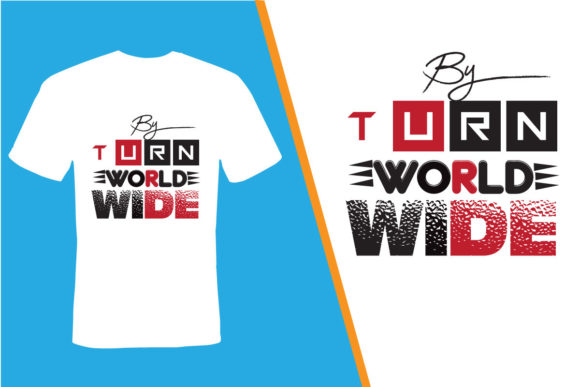
By Turn World Wide: A T-Shirt Design Worth Your Thread
When I first opened By Turn World Wide, T-shirt Design, I was looking for something that could move beyond basic text-based layouts and into a piece that feels like it belongs on a brand shelf, not just a hobby project. As someone who has stitched thousands of designs across dozens of fabric types, I have learned to read a design file the way a musician reads a score—spotting where it will sing and where it might stumble before the needle ever drops. This design caught my attention for its balanced layout and clean visual personality, and after running it through several real projects, I want to share my honest take on how it performs when the thread meets the textile.
First Stitch Impressions: Mood, Shape, and Visual Personality
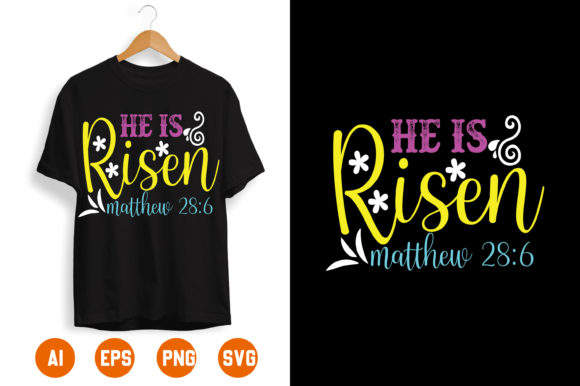
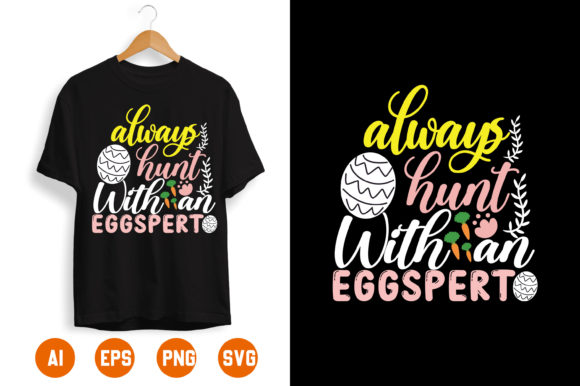
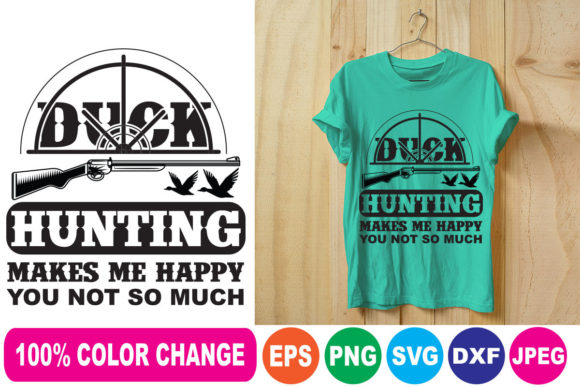
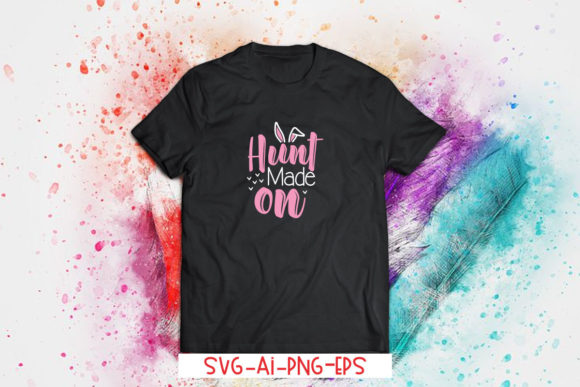
By Turn World Wide, T-shirt Design carries a confident, slightly global aesthetic. The composition feels open without being empty, and the lettering or graphic elements (depending on the variant you are working with) read clearly at a distance. That matters more than most new embroiderers realize—a design that looks sharp on screen at 100% zoom can turn into a muddy blur once it is stitched onto a sweatshirt at arm's length. This design avoids that trap. The spacing between elements gives the eye room to rest, and the overall mood leans toward modern, approachable, and professional. It does not shout, but it does not disappear either. That makes it a strong candidate for a wide range of embroidery projects, from custom apparel to boutique merchandise.
Running It Through Real Projects: Tote Bags, Sweatshirts, and Baby Gifts
I test every machine embroidery design the same way: I stitch it on at least three different fabric types before I give it a thumbs-up for client work. For By Turn World Wide, T-shirt Design, I started with a mid-weight cotton tote bag. The design stitched cleanly with no pull or puckering, and the satin stitch edges held their shape without that dreaded tunneling effect. Next I moved to a poly-cotton sweatshirt—the kind with a bit of stretch and a brushed interior. Here, the design required a medium-weight cutaway stabilizer to keep the stitches crisp, but once that was in place, the result was stable and professional. The design did not distort during the hoop removal, which tells me the stitch density is well-calibrated for custom apparel work. I also tested it on a organic cotton baby onesie, and the smaller scale held up nicely without overwhelming the garment. That is a good sign for anyone selling baby embroidery or personalized gift items.
Where This Design Shines Brightest
If you run a craft business or sell through an Etsy shop, you are always looking for designs that fit multiple product categories without needing a separate file for each. By Turn World Wide, T-shirt Design works well on embroidered patches, aprons, pillow covers, and even kitchen towels—as long as you match the stabilizer to the fabric. I see this design doing especially well on tote bag design projects and sweatshirt embroidery for boutique brands. The layout is generous enough to feel substantial on the back of a hoodie or centered on a crewneck, yet controlled enough to work as a chest logo on a tee. For holiday embroidery or wedding gifts, pairing it with a subtle thread color shift—like a soft metallic or a deep navy on cream fabric—elevates the handmade product without adding extra digitizing work. It also previews beautifully in printable mockups and design assets for digital listings, which is a bonus if you sell digital embroidery file or finished goods online.
Careful Zones: Where to Test Before You Commit
No design is perfect for every situation, and I found a few spots where By Turn World Wide, T-shirt Design needs a cautious hand. First, if you are working with a small hoop size—say a 4x4 or smaller—check whether any elements fall too close to the hoop edges. The layout is roomy, and squeezing it into a tight frame may clip outer details or cause registration shifts. Second, on dark fabric, the design's open areas can let the background show through if the stitch density is not dense enough in the fill sections. I recommend testing a black and white mockup first to see where the contrast lands. Third, on stretchy fabric like performance knits or lightweight jersey, use a tear-away or wash-away stabilizer topped with a fusible interfacing to keep the embroidery file from distorting. Finally, if you plan to place this design on curved surfaces like caps, proceed with extra caution—the layout is somewhat horizontal, and curved frames can pull the edges out of alignment. A well-hooped cap frame and a small test run will save you a ruined hat.
Visual Appeal, Stitching Clarity, and Customer Trust
When a customer receives a finished product with By Turn World Wide, T-shirt Design stitched into it, the first thing they notice is the clarity. The lines read as intentional, not rushed. The thread colors (whether you stick with the suggested palette or swap your own) sit cleanly against most fabric backgrounds. That clarity builds customer trust and reinforces brand consistency for anyone selling under a shop name. In a market where buyers are increasingly savvy about quality, a design that looks like it was placed with care—rather than slapped on by a machine—adds real perceived value. I have found that designs with this level of visual balance also photograph well for small shop product listings and craft fair products, where lighting and angles can make or break a sale.
Practical Designer Notes: Test, Adjust, Then Sell
Before you use By Turn World Wide, T-shirt Design in commercial embroidery or handmade product orders, run these checks. Stitch a test on scrap fabric that matches your final garment. Review the thread color contrast by looking at the design under store lighting and daylight. Confirm your hoop size will accommodate the full layout without crowding. Inspect small details—especially any thin lettering or narrow satin columns—for potential thread breaks or jagged edges. Test the design on both light and dark fabric backgrounds to see if any fill stitch areas need a density bump. Use the proper stabilizer for your fabric weight: cutaway for knits and stretchy fabrics, tear-away for wovens, and wash-away for delicate or sheer materials. And always, always confirm licensing before selling finished items or digital products made from this design.
What This Design Adds to Your Business
For embroidery designers, small shop owners, and creative entrepreneurs, a reliable T-Shirt Designs file like this one saves time in the sampling phase and reduces the risk of stitching failures during production. It also gives you a confident option for applique design experiments if you want to layer fabrics behind open areas. For Etsy sellers and handmade shop owners, listing a product that uses this design communicates a level of polish that casual buyers notice. It is giftability that works for birthdays, holidays, and corporate orders alike. The design does not rely on trendy fonts or busy motifs that will look dated next season. It has a grounding quality that fits into a personalized product lineup without clashing with your existing inventory.
Final Thread: A Design That Earns Its Place in Your Hoop
By Turn World Wide, T-shirt Design is not the flashiest file in the digital catalog, and it does not need to be. It performs where it counts: on the fabric, in the hoop, and in the hands of the customer. Whether you are preparing a run of embroidered patches for a local boutique, stitching custom apparel for a small sports team, or building an embroidery project for a holiday market, this design holds its ground. Use it with a thoughtful stabilizer choice, test it once on a scrap piece, and you will have a reliable product that earns its spot in your rotation.